
#1 cause of death
Firearm injuries are now the leading cause of death for U.S. children and teens, surpassing motor vehicle crashes for the first time in decades.
Source: Goldstick et al., NEJM 2022On Call 4 Kids brings physicians, nurses, clinicians, researchers, and healthcare advocates together to prevent pediatric firearm injury through evidence, testimony, and federal advocacy.
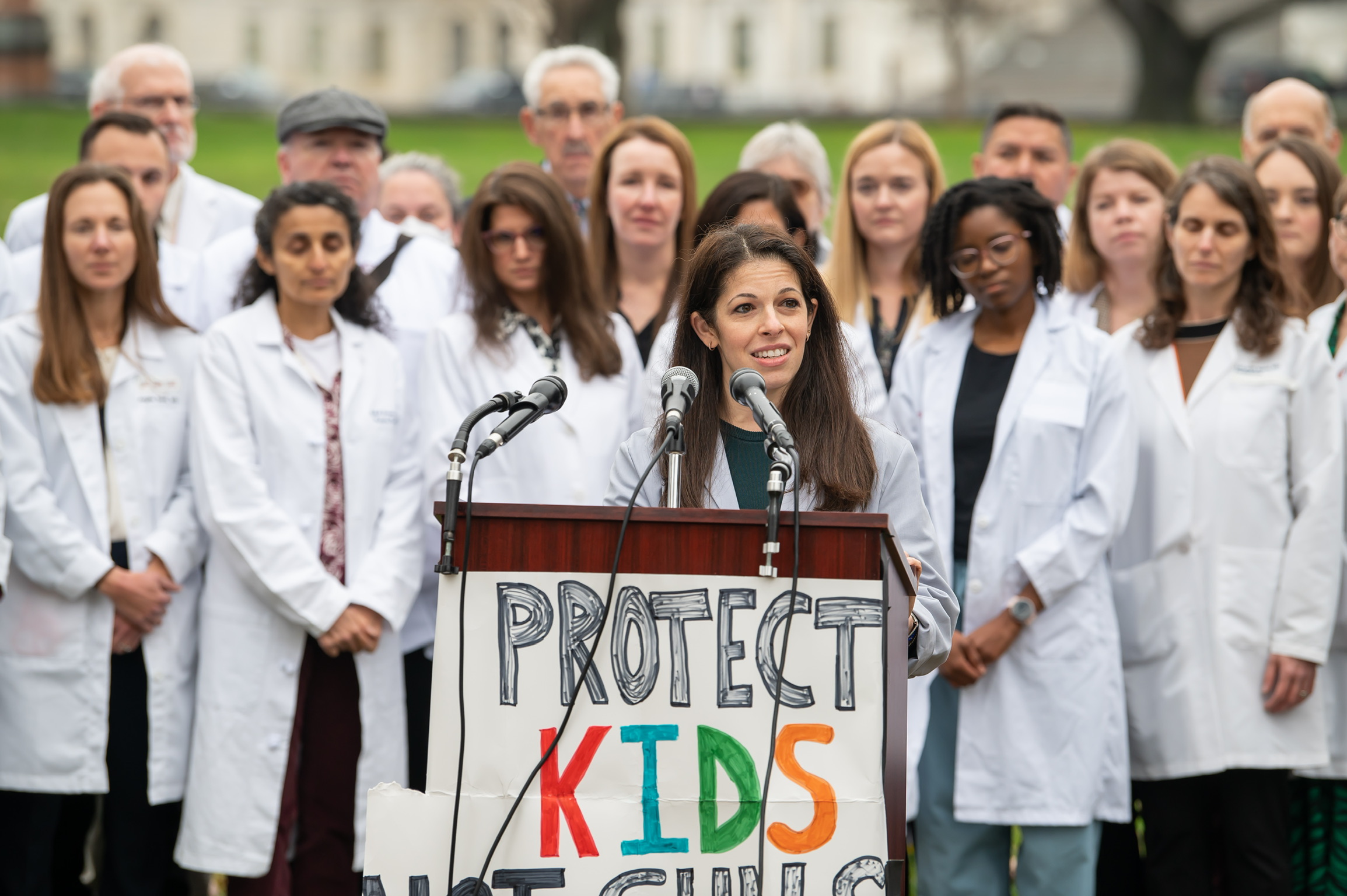
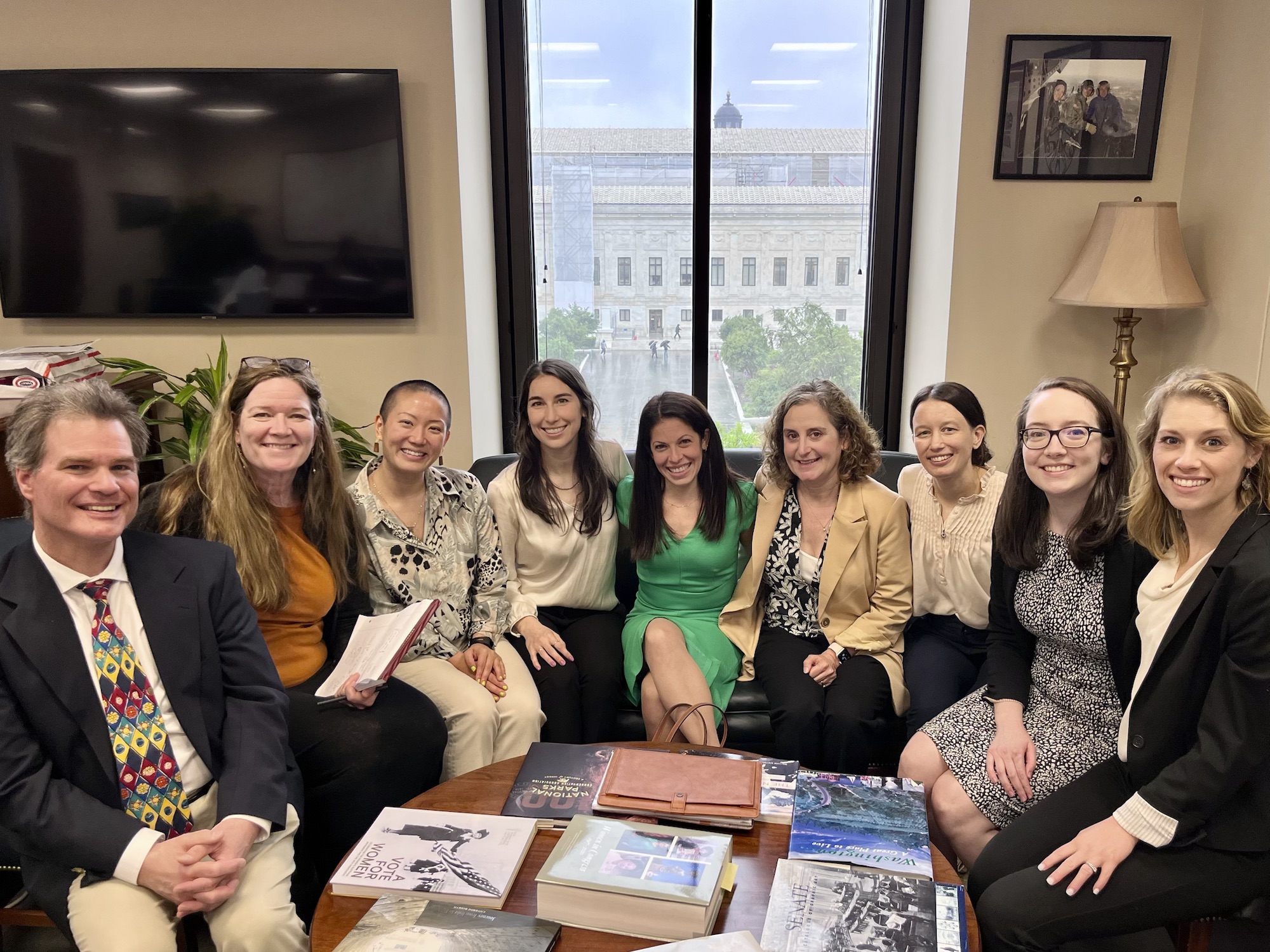
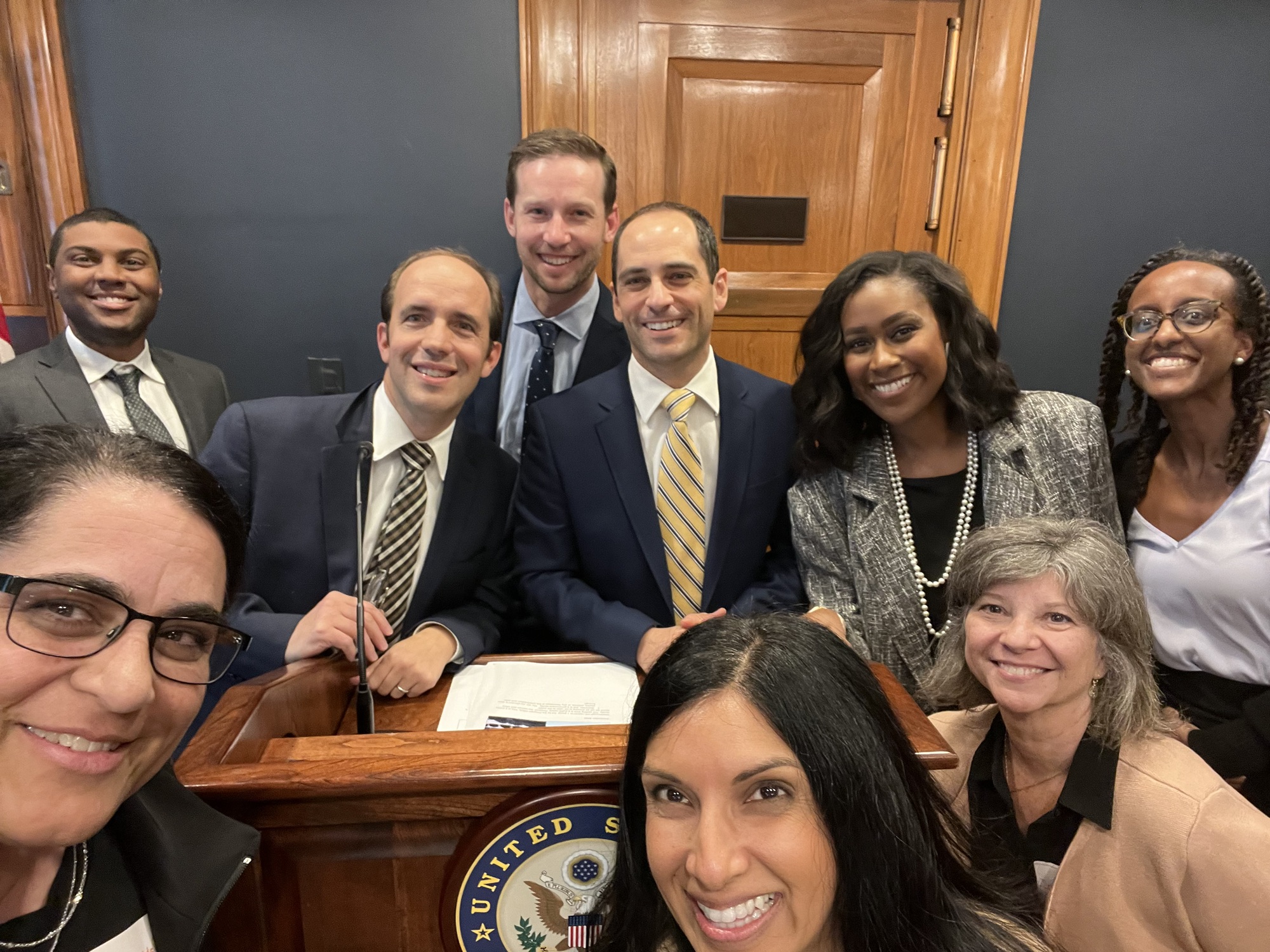
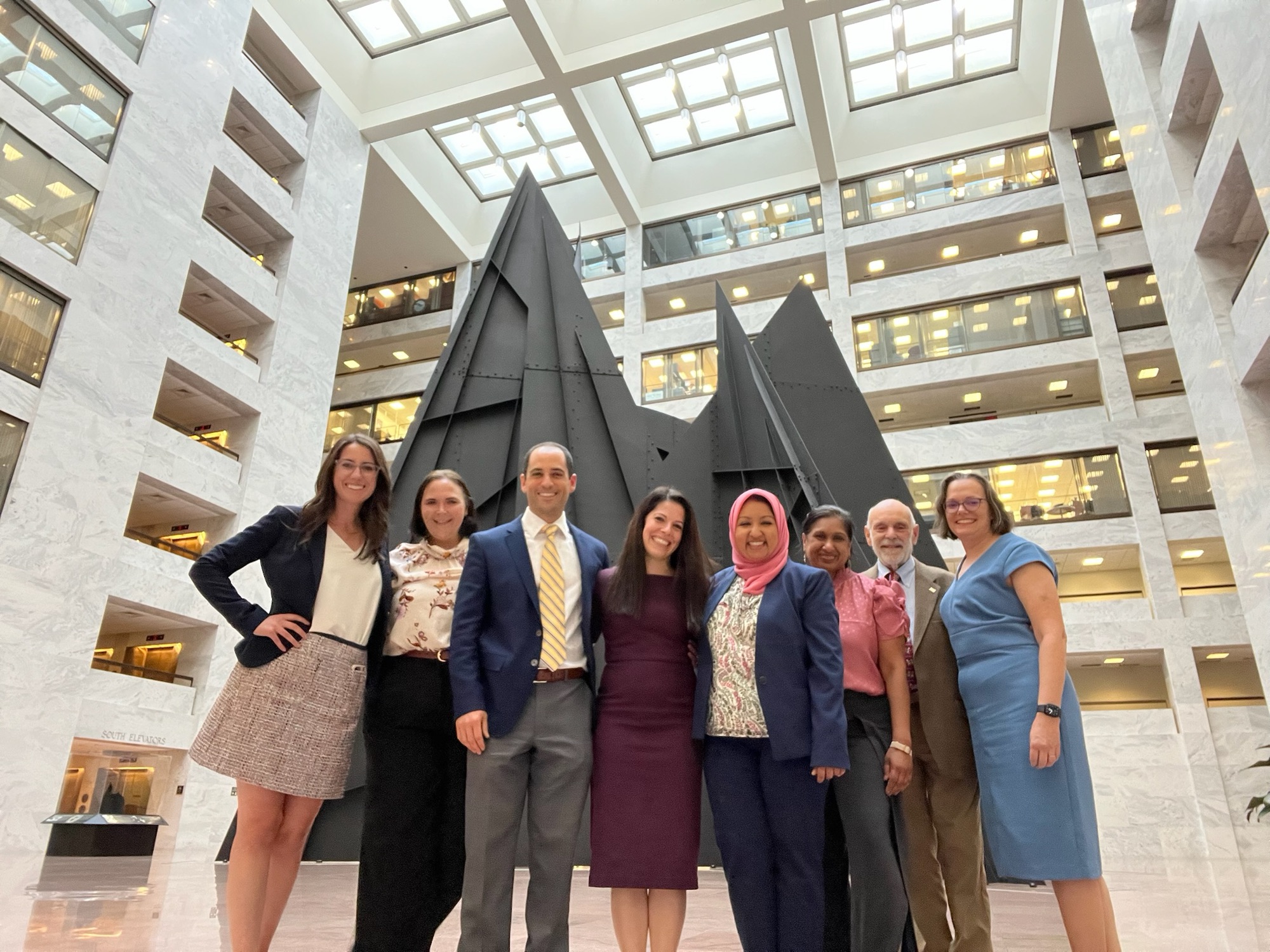
Clinicians nationwide turning medical expertise into organized advocacy.
Why it matters
We approach this issue the same way healthcare professionals approach patient care: with data, empathy, prevention, and action.
Firearm injuries are now the leading cause of death for U.S. children and teens, surpassing motor vehicle crashes for the first time in decades.
Source: Goldstick et al., NEJM 2022Black children make up 14% of the youth population but account for 46% of youth firearm deaths — a stark health disparity.
Source: KFF Issue BriefLeading pediatricians call for a public-health approach — like the one that made cars dramatically safer — to save young lives.
Source: American Academy of PediatricsOur mission
As healthcare professionals, we are dedicated to the health and well-being of children. On Call 4 Kids uses medical expertise, evidence-based research, and personal testimony to advocate for policies that reduce firearm injuries and save young lives.
Advocate for federal firearm safety legislation grounded in evidence and clinical experience.
Carry scientific research and frontline clinical experience directly to policymakers.
Keep children, families, equity, and prevention at the heart of every conversation.
Turn healthcare expertise into coordinated, sustained, and effective advocacy.
Our story
After surviving the Highland Park parade shooting with her family, pediatrician Emily Lieberman, MD, committed to helping prevent other families and communities from experiencing similar trauma. On Call 4 Kids grew from that commitment into a national coalition of healthcare workers advocating for children's safety.
The moment
Surviving the Highland Park parade shooting with her family.
The commitment
A pediatrician resolves to help prevent this trauma for other families.
The movement
A national coalition of healthcare workers grows from that commitment.
What we do
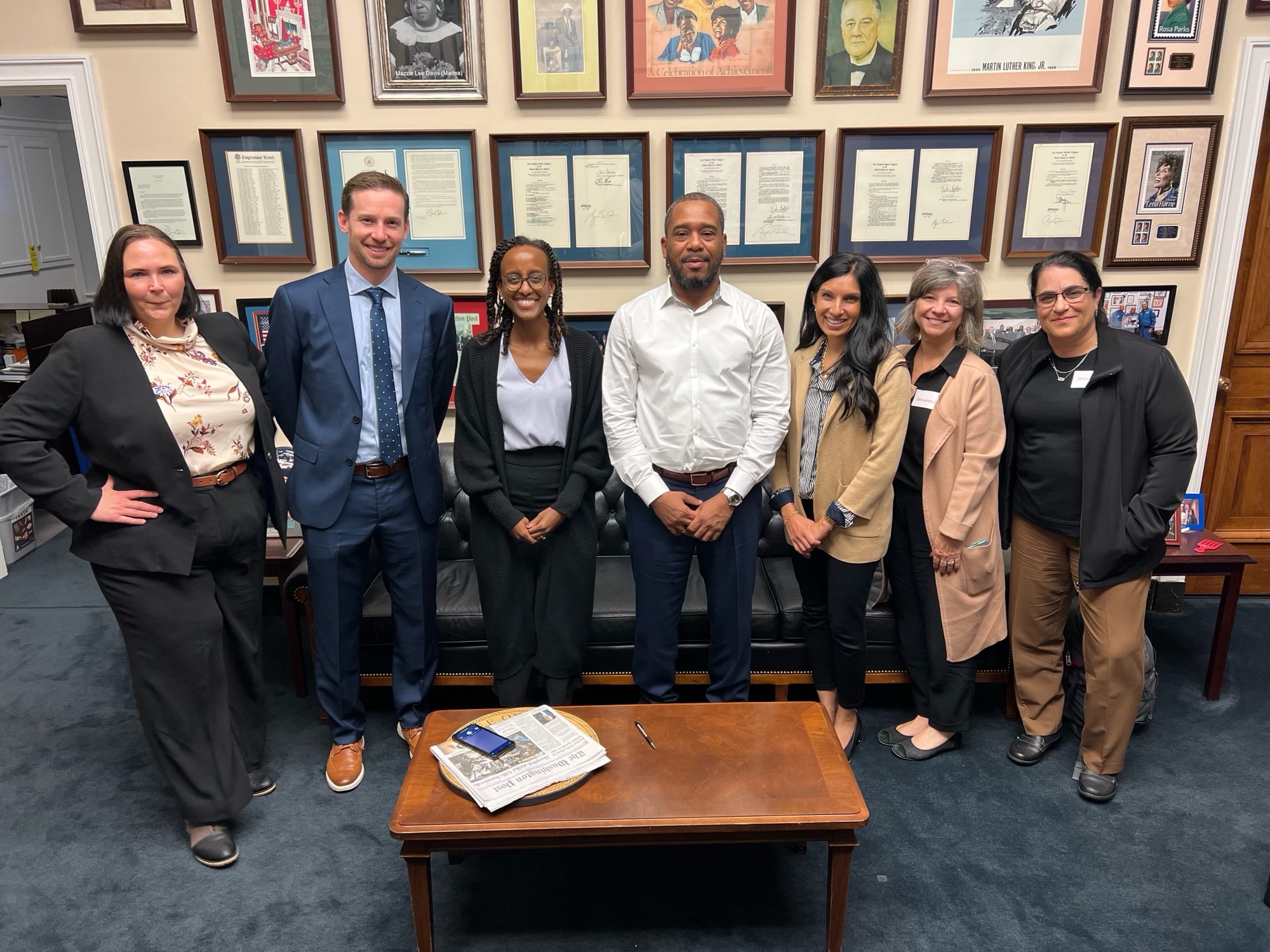
Healthcare professionals meet with lawmakers to discuss gun violence as a public health crisis and advocate for evidence-based legislation.
We share scientific research, policy explainers, and clinical perspectives on firearm injury prevention.
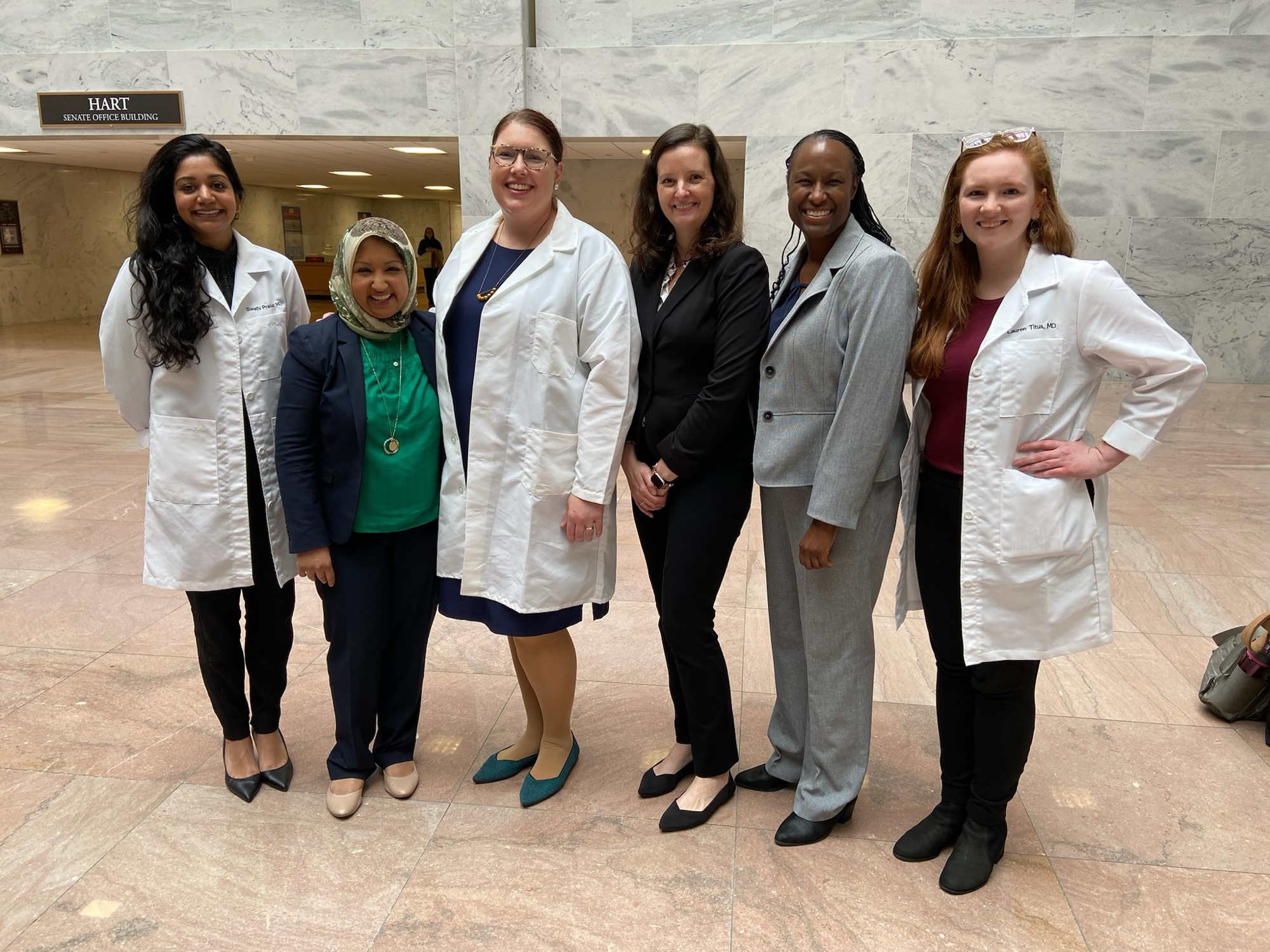
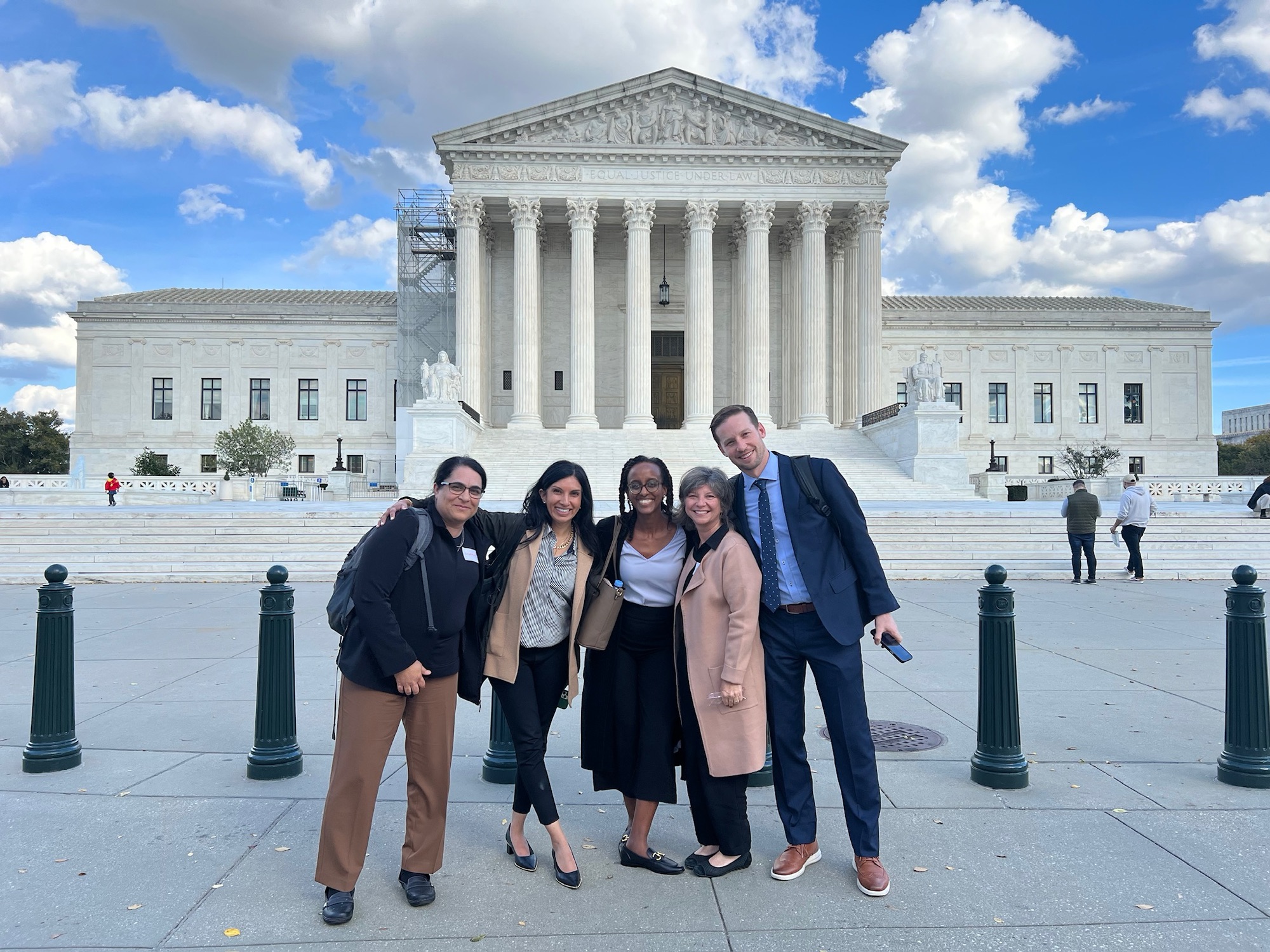
We bring together physicians, nurses, students, therapists, advanced practice clinicians, researchers, and advocates from across the country.
Advocacy priorities
Each priority is grounded in research and clinical experience — not partisanship.
Encouraging secure firearm storage to reduce unintentional injuries, youth suicide, and access by children.
Learn moreSupporting consistent background checks to help keep firearms from those at risk of harming themselves or others.
Learn moreAdvocating for evidence-based limits on equipment associated with the most severe pediatric injuries.
Learn moreEvents & advocacy days
Join healthcare workers from across the country for a day of meetings with lawmakers on Capitol Hill. Learn more and register on our advocacy day page.
RegisterOur webinar series, including “Bridging the Gap: Healthcare and Law Enforcement Working Together to Prevent Firearm Injuries.”
Learn MoreInvite On Call 4 Kids to deliver a grand rounds or advocacy talk to your team or department.
Request a Talk“I knew it was the right thing to do for my patients and my community. It was inspiring to meet with other like-minded pediatricians who were also passionate about advocating for children's health.”
From Capitol Hill visits to safe-storage campaigns, see the latest from our network of pediatric healthcare professionals working to keep kids safe.
Get involved
Join a future DC advocacy day and bring your clinical voice to lawmakers.
Support outreach, research, programming, media, or operations.
Request a grand rounds or advocacy talk for your team or department.
Donate or help sponsor healthcare workers to take part in advocacy.
Research library
Accessible summaries of the science behind our advocacy, written for clinicians, families, and policymakers alike.
Your support helps healthcare workers travel to advocacy days, produce research and education, and keep children at the center of the conversation.
Contact
Questions about our work and how to connect.
Media requests, interviews, and statements.
Invite us for a grand rounds or advocacy talk.
How to get involved and lend a hand.